
The Ultimate Guide to Brake Maintenance for Safer Driving in the Turks and Caicos
When it comes to keeping your vehicle safe and reliable, your brakes should always be a top priority. While regular oil changes, tire checks, and car washes get plenty of attention, many drivers overlook brake maintenance until there’s a problem. By learning a few simple brake care tips, you can avoid costly repairs, extend the lifespan of your brake components, and, most importantly, keep yourself and others safe on the road.
Why Brake Maintenance Matters
Your brakes are your car’s most critical safety system. They allow you to stop quickly in emergencies, control your speed downhill, and maneuver safely in traffic. Worn or faulty brakes increase stopping distances and put you at greater risk of accidents.
Routine brake maintenance not only improves safety but also helps spot small issues before they turn into expensive repairs.
Key Components of Your Brake System
Understanding your brake system makes it easier to identify problems and communicate with your mechanic. The main parts include:
Brake Pedal – The part you press to start the braking process.
Master Cylinder – Converts your foot pressure into hydraulic force.
Brake Lines – Carry hydraulic fluid to the wheels.
Brake Calipers – Clamp the brake pads against the discs to slow your vehicle.
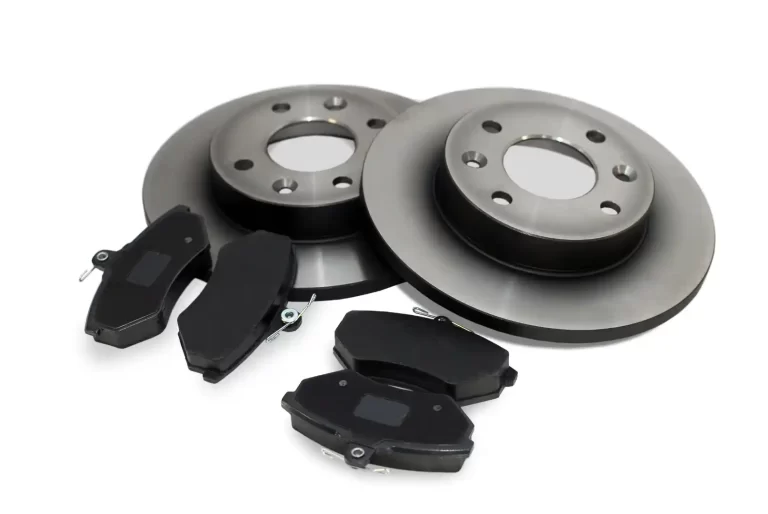
Brake Pads & Discs – The parts that physically stop your car by creating friction.
Brake Fluid – Transfers force through the brake system.
How Often Should You Check Your Brakes?
While brakes don’t need constant attention like oil or tires, they still require regular checks:
Brake Pads: Replace every 30,000–70,000 miles depending on driving conditions.
Brake Discs: Replace every 60,000–100,000 miles.
Brake Fluid: Check every 2 months and replace about every 2 years.
If you hear squealing, grinding, or feel vibrations when braking, it’s time for an inspection—sooner rather than later.
Common Signs Your Brakes Need Attention
Don’t ignore these red flags:
Unusual Noises: Squealing, grinding, or scraping sounds.
Pulling to One Side: Car veers when braking.
Vibrations: Pulsating brake pedal when stopping.
Warning Light: Dashboard brake warning is illuminated.
DIY Brake Maintenance Tips
If you’re confident with basic car care, here are a few things you can do yourself:
Check Brake Fluid Levels: Open your hood, locate the brake fluid reservoir, and make sure the fluid is between the minimum and maximum marks. Top up only with the recommended fluid type.
Visually Inspect Brake Pads & Discs: Look through the wheel spokes for wear.
Listen While Driving: Pay attention to any new or unusual brake sounds.
⚠ Safety Tip: If you’re not completely sure how to do brake repairs, it’s always safer to visit a certified mechanic.
Final Thoughts
In the Turks and Caicos, where salty sea air and island driving conditions can cause faster wear on vehicle parts, brake maintenance is even more important. A quick inspection today can save you from dangerous situations and expensive repairs tomorrow. Whether you handle small maintenance tasks yourself or trust a local auto repair shop, keeping your brakes in top shape should be a non-negotiable part of your car care routine.